authentication
3 minute read
How to Authenticate Pre-Owned Burberry: Trench, Label, and Lining Tells
Words by Heather June Coombs
A misaligned apostrophe on the care label can be a more definitive red flag than a minor stitch irregularity.
How to Authenticate Pre-Owned Burberry: Trench, Label, and Lining Tells
Buying a Burberry trench coat pre-owned is smart. The brand holds its value, the quality is evident, and the design is timeless. But it is also one of the most counterfeited high-end items. Knowing what to look for moves you beyond trusting a seller’s word. The details matter, from the stitching on the belt buckle to the weave of the famous Nova Check.
The Trench Coat: Construction and Hardware
True Burberry trenches, particularly the heritage lines, use specific construction. Check the stitching. It should be uniform, tight, and consistent, with no loose threads or uneven tension. The seams are usually reinforced, and in older models, you will find a distinct single stitch per inch count that is difficult to replicate cheaply. Hardware provides critical tells. Authentic Burberry buttons are made from Buffalo horn or a high-quality resin that mimics it. They feel substantial. "Burberry" or "Burberrys" (for vintage pieces pre-1999) is engraved, not printed, and the font is precise. The D-rings on the belt and cuffs are typically metal, often coated, and securely attached. Plastic is a red flag. The buckle itself on the belt and cuffs should be leather-covered, with neat, precise stitching around the edges.
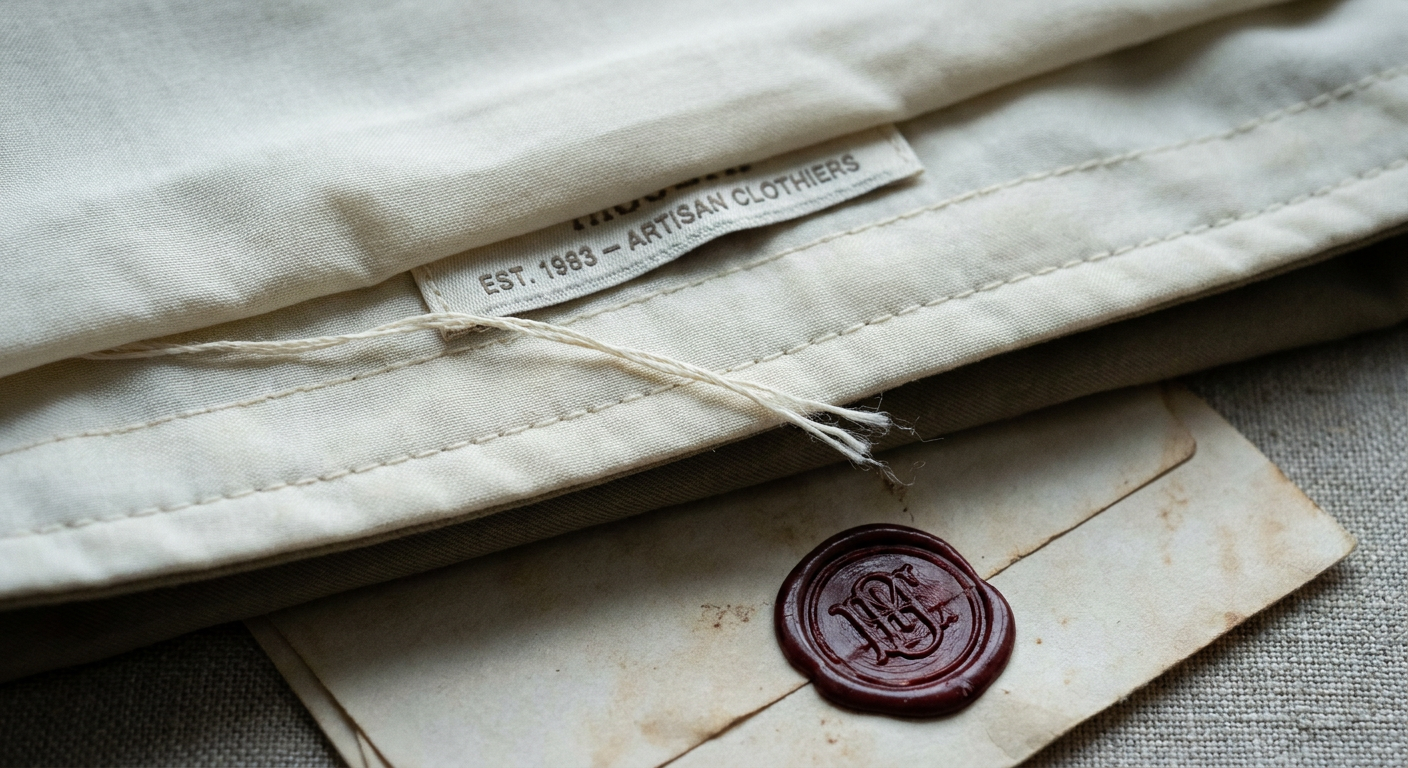
Labels and The main label is your first point of inspection. Pre-1999, the label reads "Burberrys" with an 's'. Post-1999, it is "Burberry". The font should be clean, serif, and evenly spaced. Cheap fakes often have clumsy, inconsistent lettering. Feel the label: it should be woven or printed on high-quality fabric, often a satin or a dense cotton blend, not a flimsy synthetic. Look for secondary tags. A garment care tag usually lists material composition and cleaning instructions. This tag will often include a country of origin. Burberry manufactures in the UK (particularly for heritage trenches), Italy, and occasionally elsewhere in Europe. "Made in China" on a heritage trench coat is an immediate cause for concern. The fabric composition on these tags should be accurate – 100% cotton gabardine for the classic trench.
The Iconic Lining: Check Pattern and Fabric Quality
The Nova Check, or House Check, is synonymous with Burberry. But it is also the easiest detail to get wrong when faking. The pattern should be symmetrical and consistent. The lines – black, white, and red on a tan background – should be sharp and not blurry. On fake items, the pattern often looks stretched, distorted, or the colours are off. The lining fabric itself is important. It should be a soft, breathable material, often cotton or a cotton blend, occasionally viscose or cupro in more contemporary pieces. It will not feel cheap or overly synthetic. Check closely where the lining meets the coat's outer shell – the stitching here should be impeccable, hidden, or neatly finished. The pattern should align at seams where possible, particularly in visible areas like the storm flap.
Shop from this article
Inner Pockets and Zips: Subtle Indicators
Authentic Burberry trenches often feature inner pockets. The material and finish of these pockets should match the overall quality of the coat. They often have zips. Burberry generally uses high-quality zippers from manufacturers like Lampo, YKK, or riri. The logo of the zip manufacturer may be etched into the pull. Anything less, or a generic, flimsy zip, suggests a counterfeit. Pay attention to where these elements are placed. On a heritage trench, details like the leather-bound internal pocket trim or the specific way the internal branding is stitched are consistent across models. These are small details that cost money to replicate correctly, and fakes often overlook them entirely or execute them poorly. Knowing these specific tells makes buying pre-owned Burberry a safer proposition. You are looking for a track record of meticulous craftsmanship, not just a label. The devil, as ever, is in the detail.