style
2 minute read
How to Style Pre-Owned Workwear Without It Looking Like a Costume
Words by Heather June Coombs
The best workwear already looks like it has a story. Your job is to tell it with conviction, not theatricality.
How to Style Pre-Owned Workwear Without It Looking Like a Costume
Workwear is not a trend. It is a utility, a uniform, built for purpose. Its appeal lies in its durability, its honest construction, and the way it ages. Buying it pre-owned means you get that character instantly. The challenge is wearing it without appearing like you're heading to a themed party. Authentic workwear rarely looks "clean" in a modern context. It needs grounding.
Understand the Fabric First
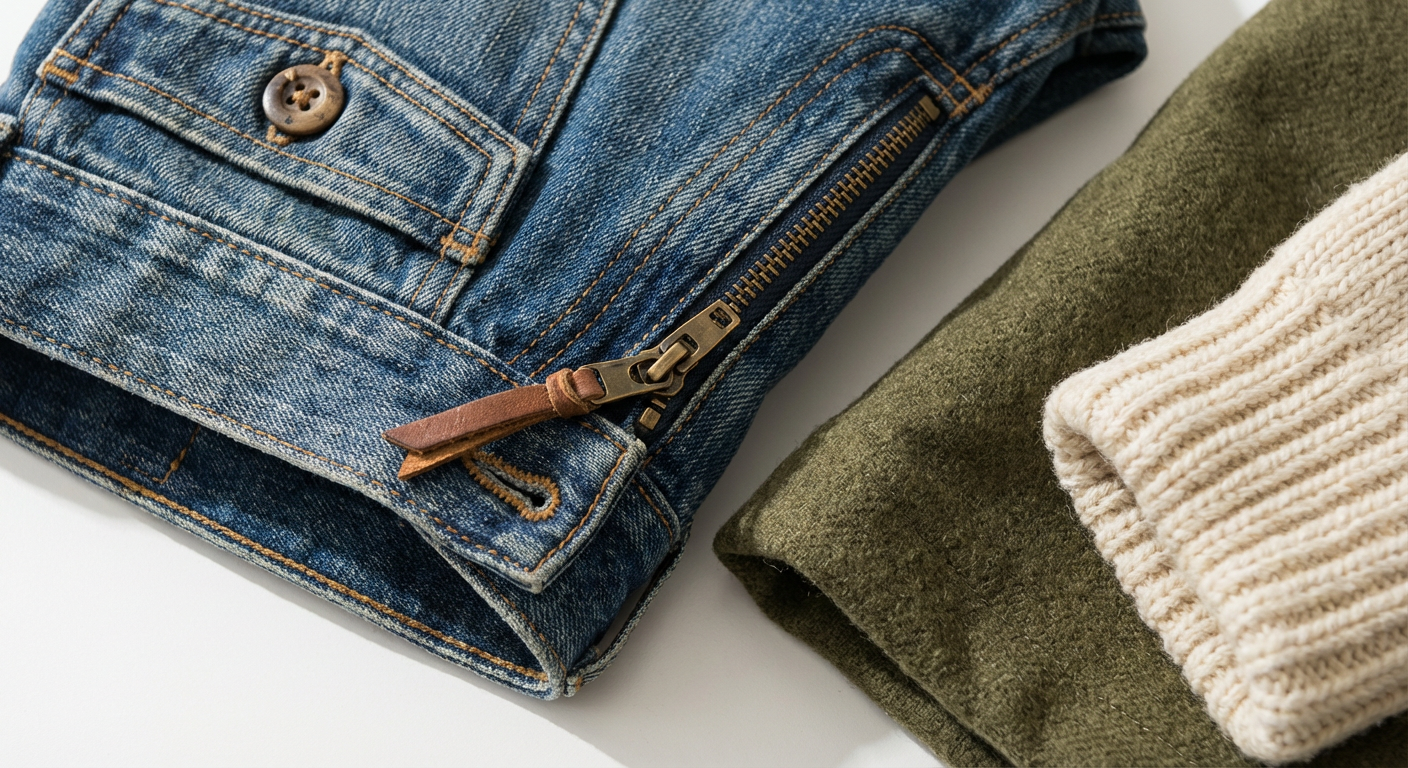
Duck canvas, heavy twill, moleskin, denim. These are the foundations of traditional workwear. They are stiff at first, built to resist abrasion. A pre-owned piece will have started to soften, showing a patina that new garments lack. The fading, the slight whiskering around stress points – these are not flaws, they are credentials. Respect them. Do not try to make them pristine.
The Rule of One: A Single Anchor
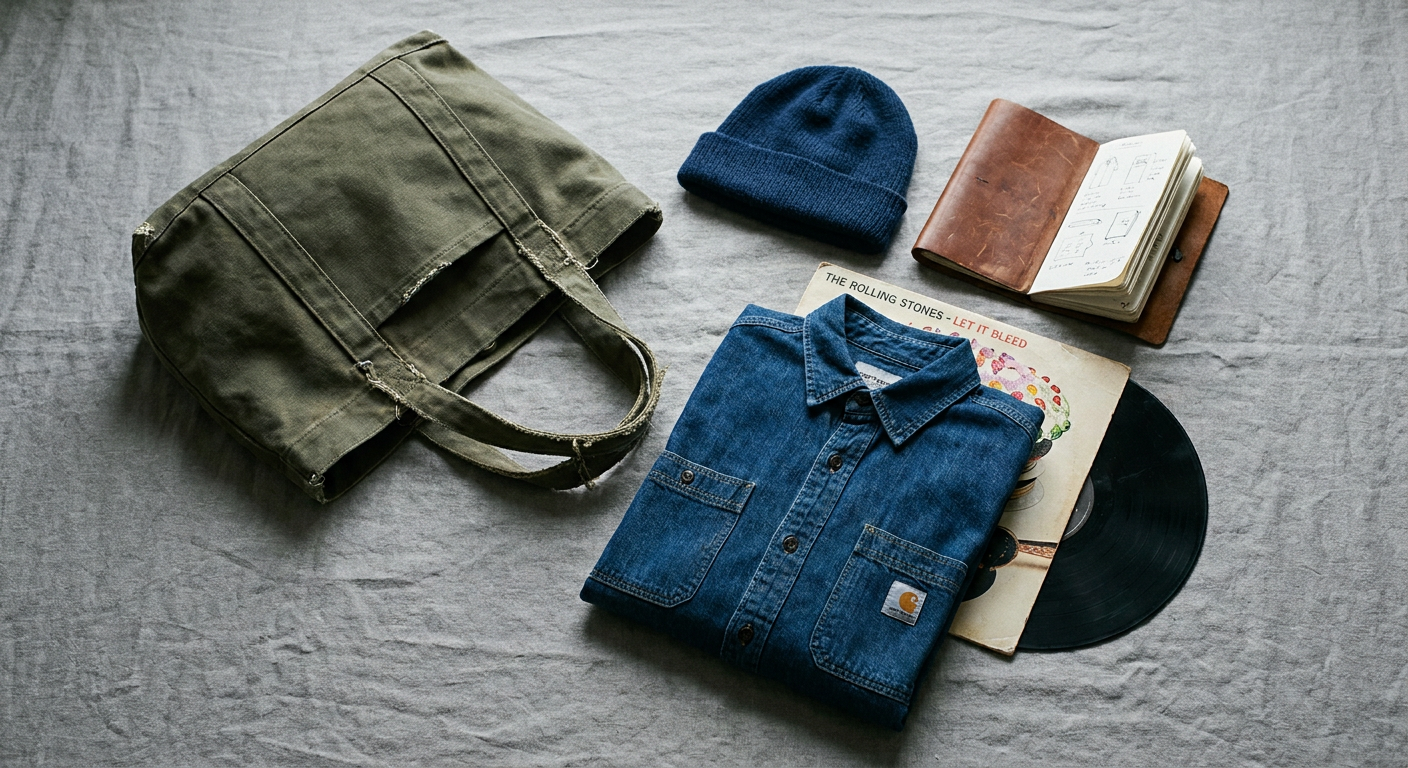
The easiest way to avoid the costume trap is to integrate one strong workwear piece into an otherwise contemporary outfit. A faded Carhartt chore coat over a simple t-shirt and well-fitting selvedge denim. A pair of beaten-up Red Wing boots with wool trousers and an unstructured blazer. The contrast elevates both. It shows intent, not accident.
Fit is Non-Negotiable
Workwear, by its nature, is often cut generously for movement. This does not mean shapeless. A jacket should sit well on the shoulders. Trousers should not pool around your ankles unless specifically intended as a stack. If you buy vintage, be prepared for tailoring. Shortening a hem or tapering a trouser leg can transform a functional piece into a considered one. Think 'classic relaxed' rather than 'oversized fashion statement'.
Shop from this article
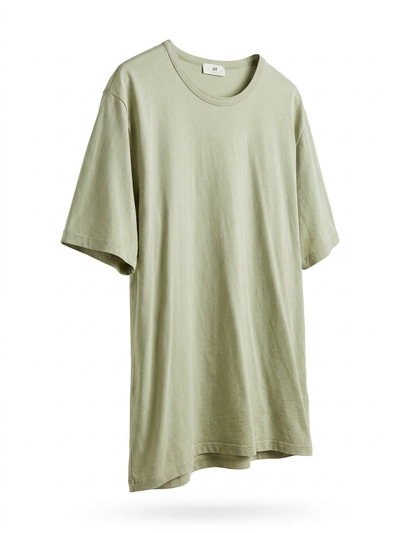
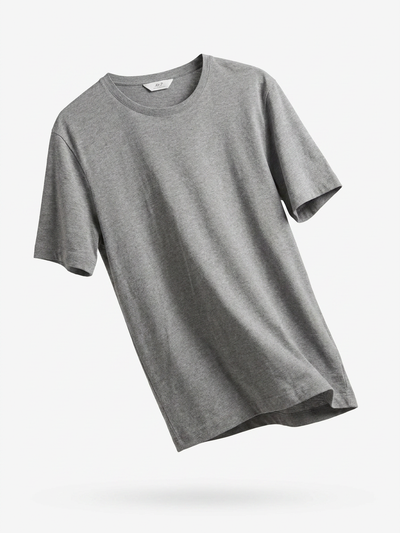

Mix High and Low
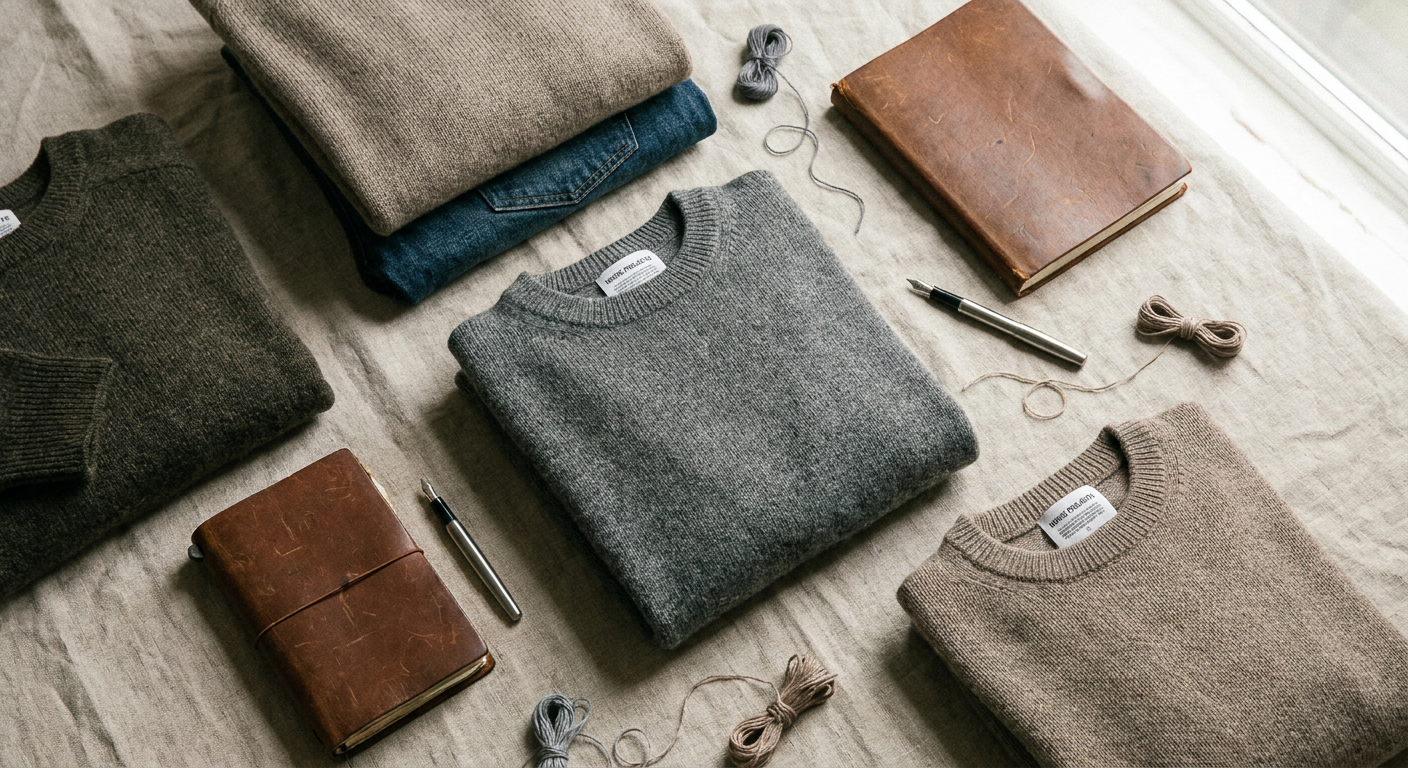
A heavy-duty canvas jacket looks right paired with a finely knitted merino jumper. Leather work boots can anchor a smarter pair of cords. This juxtaposition is key. It signals that you appreciate the heritage and quality of the workwear, but you are not defined solely by it. This is not about expense, but about textural and formal balance. A vintage Belstaff Trialmaster with a crisp Oxford shirt and slim jeans works better than a full head-to-toe vintage look.
Think Outside the Brand Box
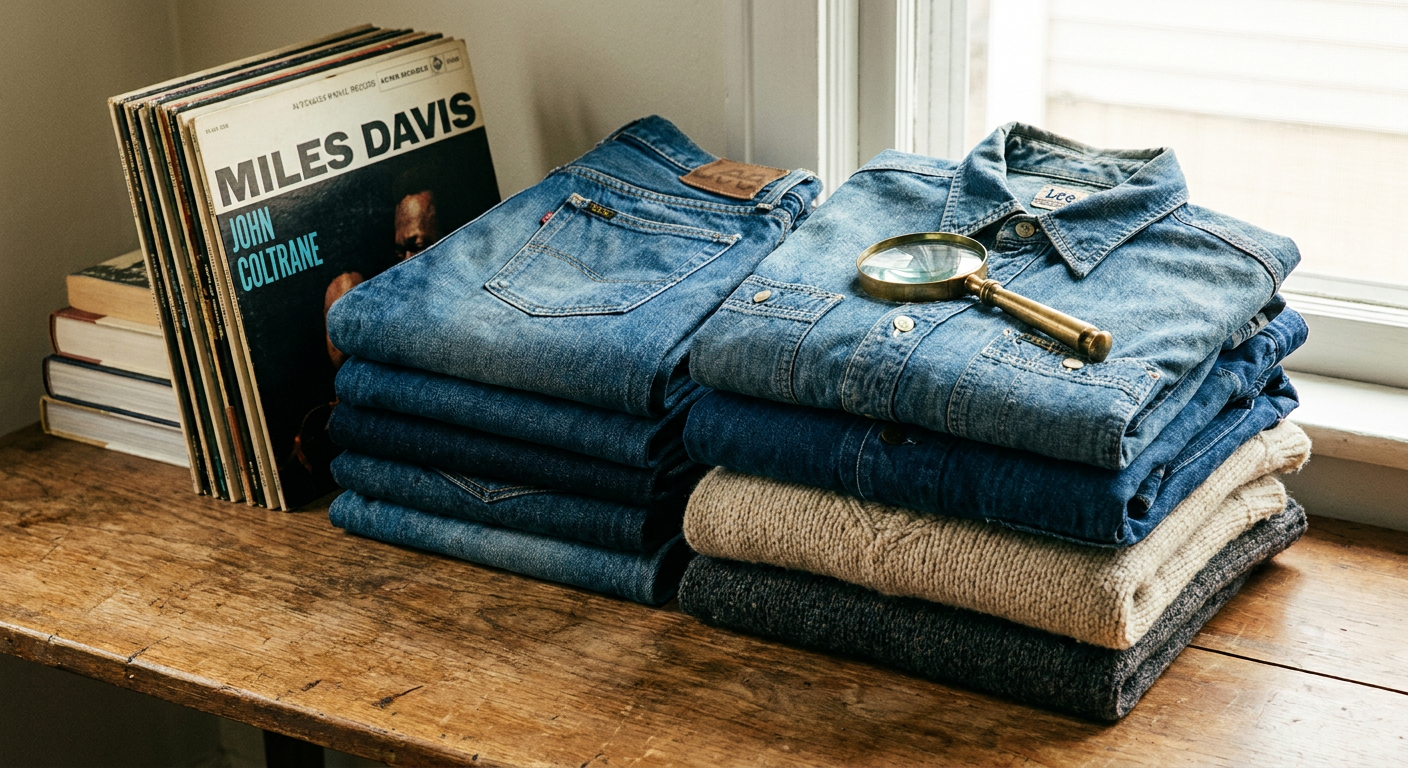
Carhartt, Dickies, Le Laboureur – these are obvious entry points. But look beyond the mainstays. European workwear, often in heavy cotton twill or moleskin, offers a different palette and cut. French work jackets, often in faded blues or greens, provide a softer entry point than American canvas. They pair particularly well with Japanese denim or simpler, British-made knitwear.
Aged, Not Damaged
There is a distinction. Fades, soft creases, a slight wear on the cuff edge – these are character. Rips, broken zips, severe staining – these are damage. Patina values condition. When buying pre-owned workwear, inspect it as you would any other garment. A truly good piece will show its age gracefully, holding its structure and integrity despite its history. That is the point. Workwear is built for longevity. Pre-owned examples come with stories already etched into their fibres. Your task is to continue that narrative, integrating them into your personal style with a sense of deliberate ease. It is about authenticity, not artifice.