buying guides
3 minute read
The honest case for pre-owned fashion — no sustainability lecture required
Words by Heather June Coombs
A pre-owned garment has already been tested. Its seams have held, its zips still glide, its fabric has proven its resilience.
Forget the sermons about saving the planet. Buying pre-owned fashion is not about virtue signalling. It is about cold, hard common sense: better clothes, for less money, often impossible to find new. This is not a compromise; it is the smarter option.
The new clothing market thrives on planned obsolescence and a relentless churn of trends. Fast fashion is the obvious villain, but even mid-range brands often cut corners. Look at the stitching, the fabric weight, the hardware. Compare a 20-year-old Carhartt jacket to its modern counterpart. The difference is palpable.
Better Value, Better Quality
New clothes carry a premium for marketing, retail overheads, and the initial brand depreciation hit. Buy something new, and a significant portion of its value evaporates the moment you wear it. Pre-owned avoids that. You are paying for the garment itself, not the fleeting illusion of novelty.
The real advantage lies in accessing superior quality at a sensible price. A high-spec Barbour International jacket, a substantial Nigel Cabourn shirt, or a properly made pair of Grenson boots often retail for hundreds. Buying them pre-owned puts them within reach for significantly less. This is not charity shop rummaging; this is strategic acquisition.
Think about the materials. Does a £50 new t-shirt use the same heavyweight Pima cotton as a used one from a respected Japanese brand? Unlikely. Has that new £100 jacket used Ventile or a cheaper, less durable synthetic? Often, the answer is frustratingly clear. Pre-owned lets you buy into the materials and construction that genuinely last.
Proven Durability and Construction
A pre-owned garment has already been tested. It has survived washes, wears, and storage. Its seams have held, its zips still glide, its fabric has proven its resilience. If it is still in good condition, it is a testament to its original build quality.
New clothes, by contrast, are an unknown quantity. Their longevity is a promise, not a proven fact. A pre-owned piece removes that gamble. You are looking at a garment that has actively demonstrated its ability to endure. It has passed the real-world test.
Shop from this article
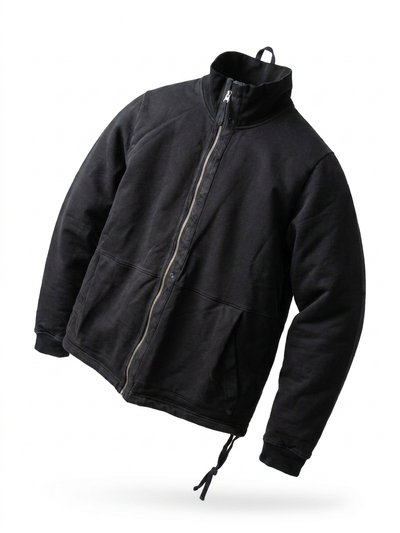
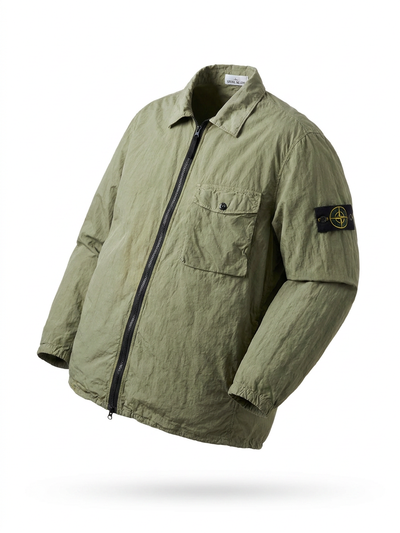
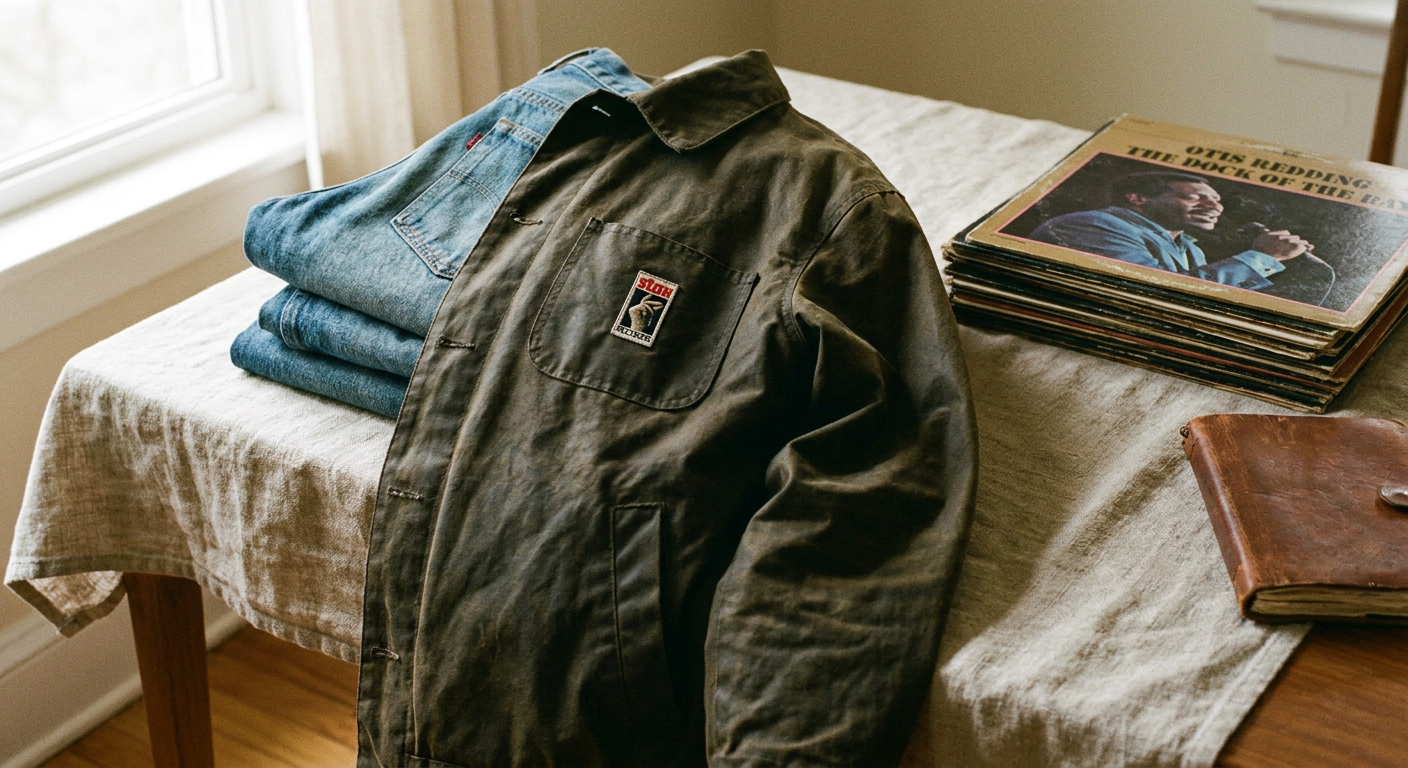
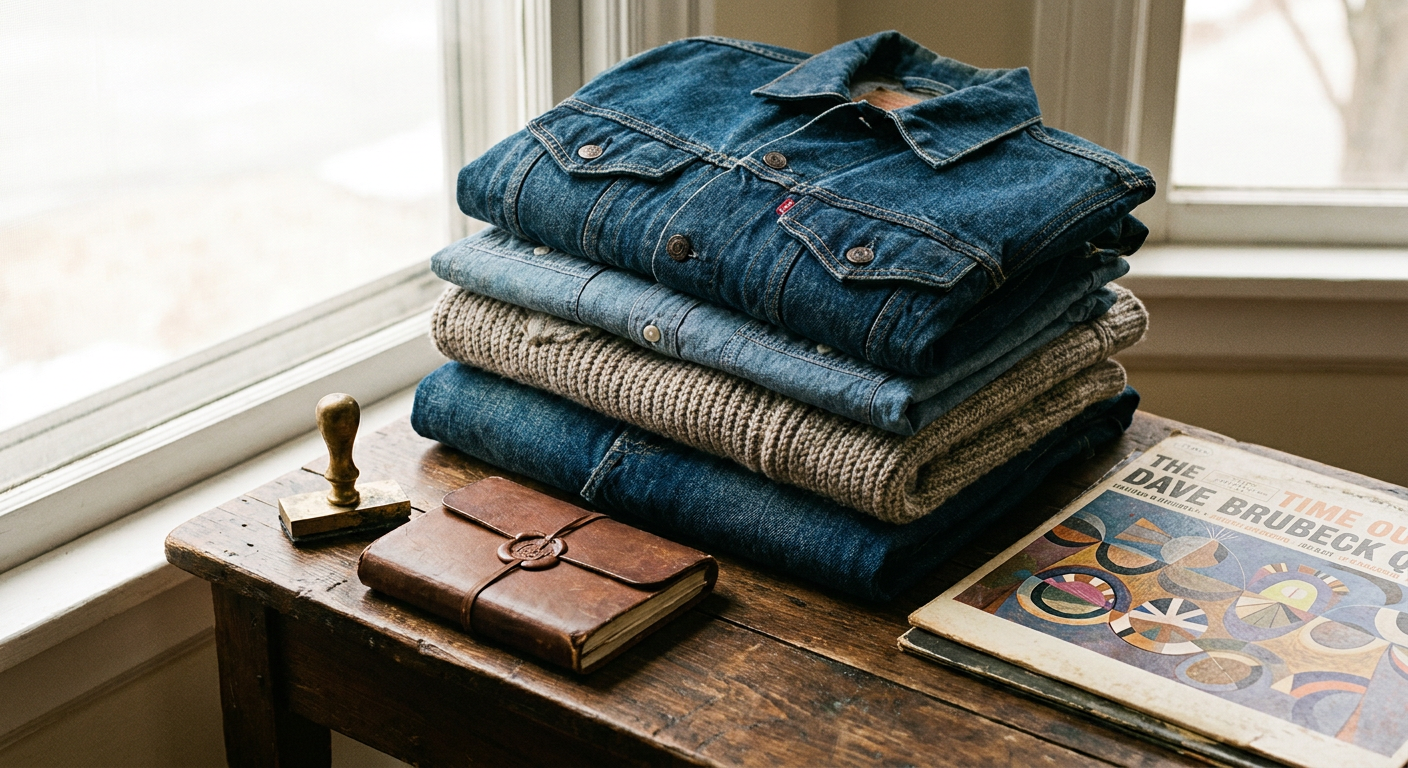
This is especially true for outerwear and workwear. A Stone Island Ventile smock, a C.P. Company goggle jacket, or an original Levis denim jacket from the 80s or 90s. These pieces were built for purpose. They command high prices new, and their pre-owned versions often represent exceptional value for something that will outlast most contemporary equivalents.
Access to the Unavailable
Some of the best items are simply not made anymore. Limited runs, discontinued styles, vintage pieces with unique details – these are only found in the pre-owned market. If you are after a specific era of Stone Island, an original pressing of a cult electronic record, or a particular adidas Spezial release, you will not find it on a high street rail.
The hunt for these elusive pieces is part of the appeal. It requires patience and a discerning eye, but the reward is a garment or record with genuine character and a story, something that sets you apart from the mass market. This is about building a wardrobe or collection with intention, not just consumption.
The resale market is the only real archive. Brands often re-issue popular styles, but these are rarely identical to the originals. Slight changes in fabric, fit, or hardware can alter the character entirely. If you want the authentic article, you look to the secondary market.
Building a Smarter Wardrobe
Ultimately, buying pre-owned is about making smarter choices. It allows access to higher quality, more distinctive pieces, often from brands that would be financially prohibitive new. It builds a wardrobe based on longevity and considered aesthetics, rather than disposable trends. It is not about saving the world; it is about saving your money and elevating your style.
This is simply good economics and good taste. No ethical grandstanding required.
Related articles