buying guides
3 minute read
What GQ Won't Tell You About Buying Pre-Owned Menswear
Words by Heather June Coombs
The true luxury of pre-owned isn't the price; it's the hunt, the knowledge, and the individuality of what you unearth.
GQ sells aspiration. It rarely sells the reality of finding something truly excellent, let alone finding it pre-owned. The glossy pages showcase new collections, new trends, new prices. They don't guide you through the minefield of sizing discrepancies, condition grades, or the quiet satisfaction of a genuine find that didn't break the bank.
Buying pre-owned menswear isn't about compromise. It's about access. It's about understanding value beyond a label's RRP. It’s about building a wardrobe with character and provenance, not just 'new season drops'. This is what GQ misses.
The Sizing Myth: Ignore the Label
A new suit from Savile Row will fit. A new pair of sneakers from the brand store will fit. Pre-owned is different. Brands change block patterns. Materials stretch or shrink. A 'Large' from a 1990s Stone Island collection is not the same as a 'Large' from today. Neither is an 'M' from Our Legacy the same as a 'M' from Barbour.
Measurements are everything. Pit-to-pit, shoulder-to-hem, inner leg. If a listing doesn’t provide them, ask. If they can’t, move on. A photograph tells you nothing about the true dimensions of a garment. Understanding these numbers, and comparing them to items you already own and like the fit of, is the single most important lesson in pre-owned buying.
Condition: Beyond 'Good' or 'Excellent'
Most sellers use vague terms. 'Excellent condition for its age' can mean anything from barely worn to a moth-eaten relic. Patina is specific, but not every platform is. Look for detailed photos of cuffs, collars, hems, and high-wear areas like elbows or knees. Zoom in. Ask for more if you’re unsure.
Understand the difference between wear and damage. Fading on a vintage denim jacket or a softened collar on a Barbour wax jacket adds character. A tear, a broken zip, or permanent staining does not. Know what you can live with, and what's a dealbreaker. Small repairs can often be factored into the price, but major overhauls rarely are.
The Hunt: Not a Shopping Trip
GQ presents shopping as a straightforward transaction. You want it, you buy it. Pre-owned is a hunt. It requires patience. The exact piece you want in your size, in perfect condition, at the right price, won't always appear instantly. The algorithms that feed you new products don't work the same way in the resale market.
Shop from this article
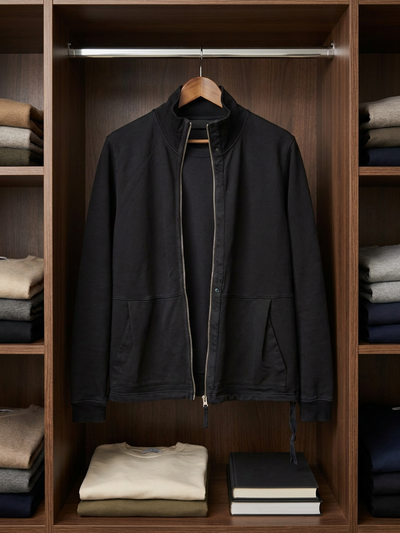
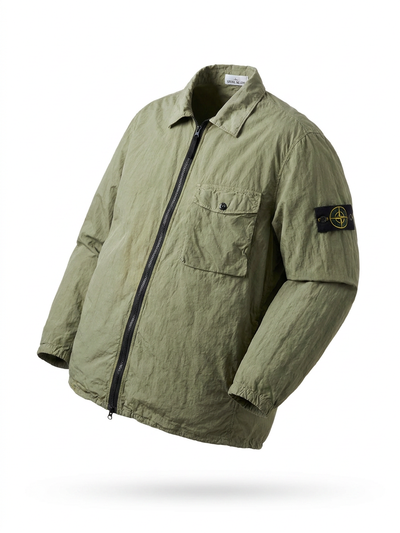
Successful pre-owned buying means knowing what you're looking for, but also being open to discovery. It means recognising a rare Ventile Smock or a specific Adidas SPZL release not because it's new, but because you know its heritage. It’s about understanding the nuances of a brand's output over decades, not just seasons.
Beyond Trends: Investing in Heritage
GQ is largely about current trends. Pre-owned menswear, done well, transcends them. The best buys are often pieces of genuine heritage: a British military issue smock, an early C.P. Company goggle jacket, a specific run of Levi's LVC denim. These items hold their value because they were built to last and represent a specific point in design history.
Resale value isn’t just about hype. It's about enduring quality, scarcity, and cultural significance. A 20-year-old Stone Island piece with a legitimate provenance can often command a higher price than its modern equivalent. It offers a tangible connection to manufacturing, materials, and design principles that often predate today's fast fashion cycle.
Authentication: Your Responsibility
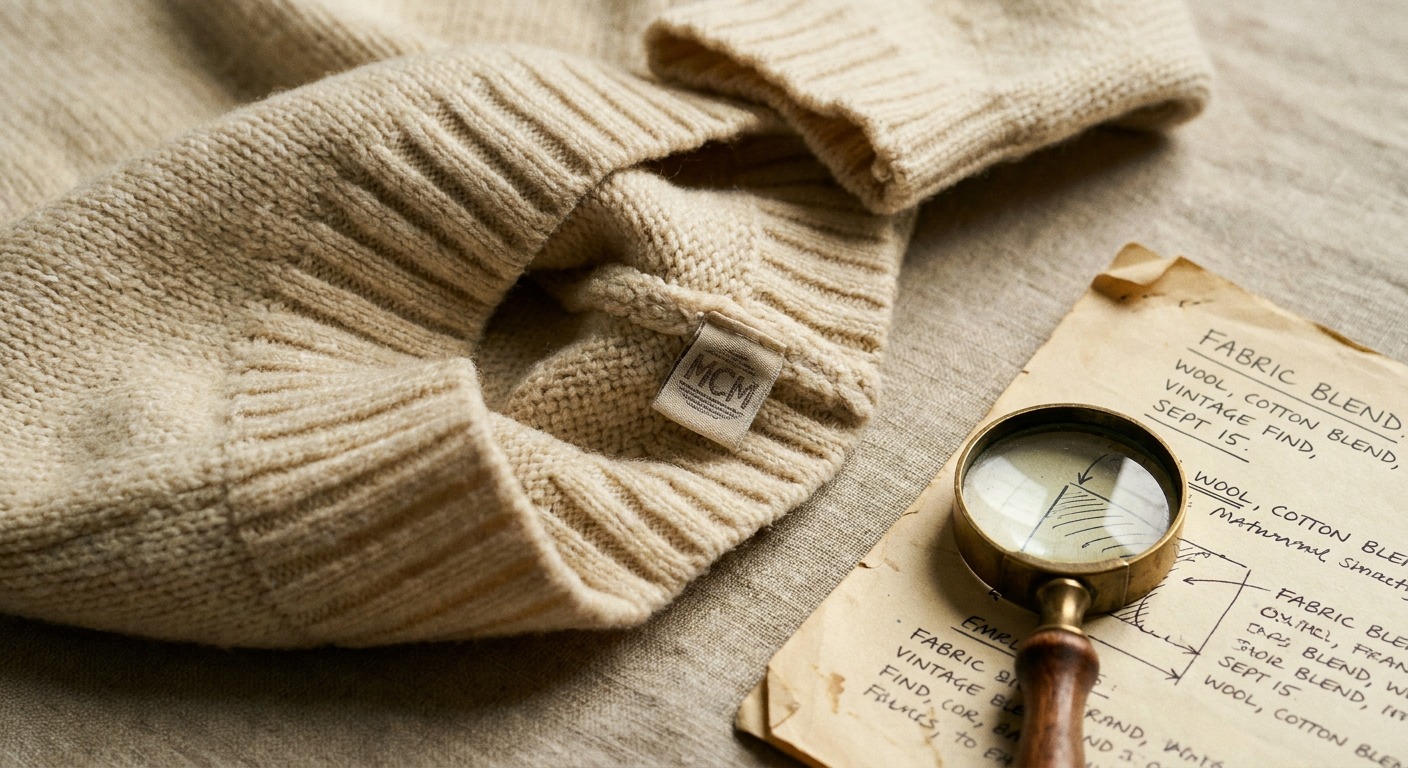
The glossy magazines assume authenticity. In the pre-owned world, it's a critical skill. Learning to spot tells – stitching patterns, care labels, button types, badging – is part of the game. For specific brands like Stone Island or C.P. Company, the Certilogo system helps, but counterfeiters evolve. Knowledge of specific seasonal tags, fabric composition, and construction methods is invaluable.
If a deal seems too good to be true, it almost certainly is. Buy from reputable sellers or platforms with robust authentication processes. The occasional bargain exists, but usually, it reflects a genuine error in pricing, not a miracle. Protect your investment by knowing what you're buying.
Buying pre-owned is more involved than just clicking 'add to cart' on a new collection. It's a skill set. It demands research, patience, and an eye for detail. But the rewards – quality, individuality, and genuine value – make it a far more satisfying way to build a wardrobe than simply following the latest trends from the pages of a magazine.